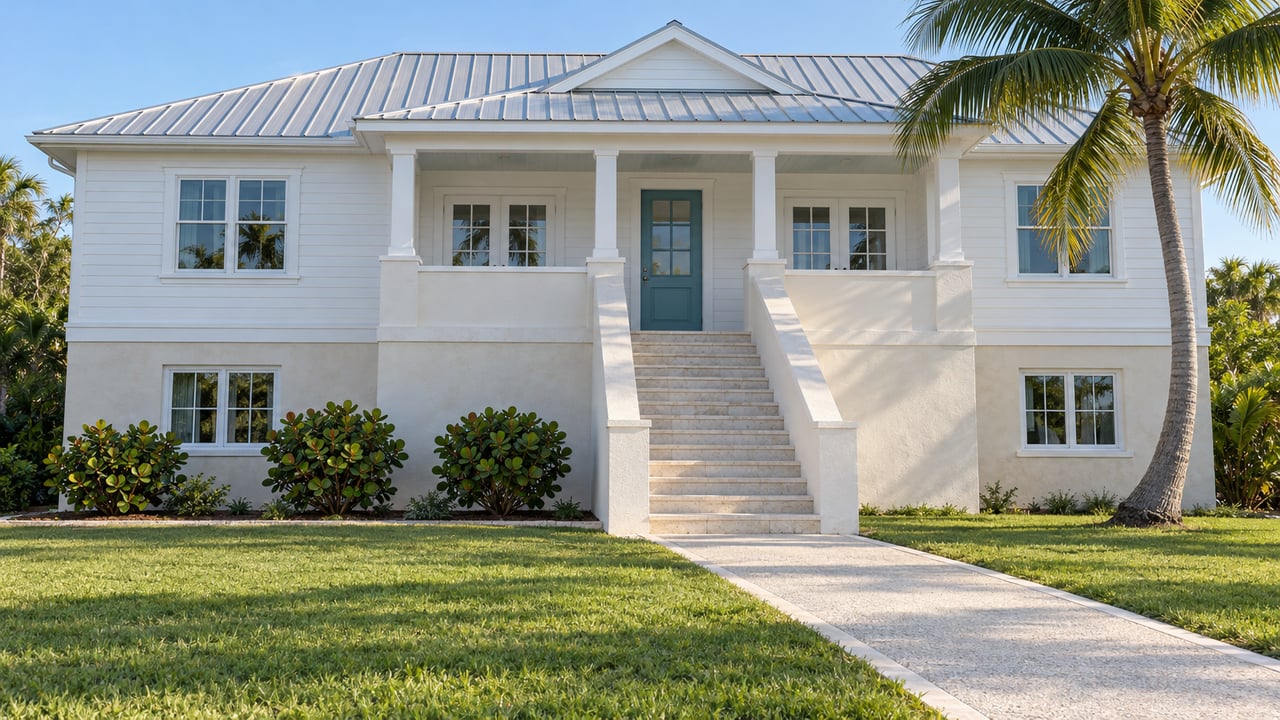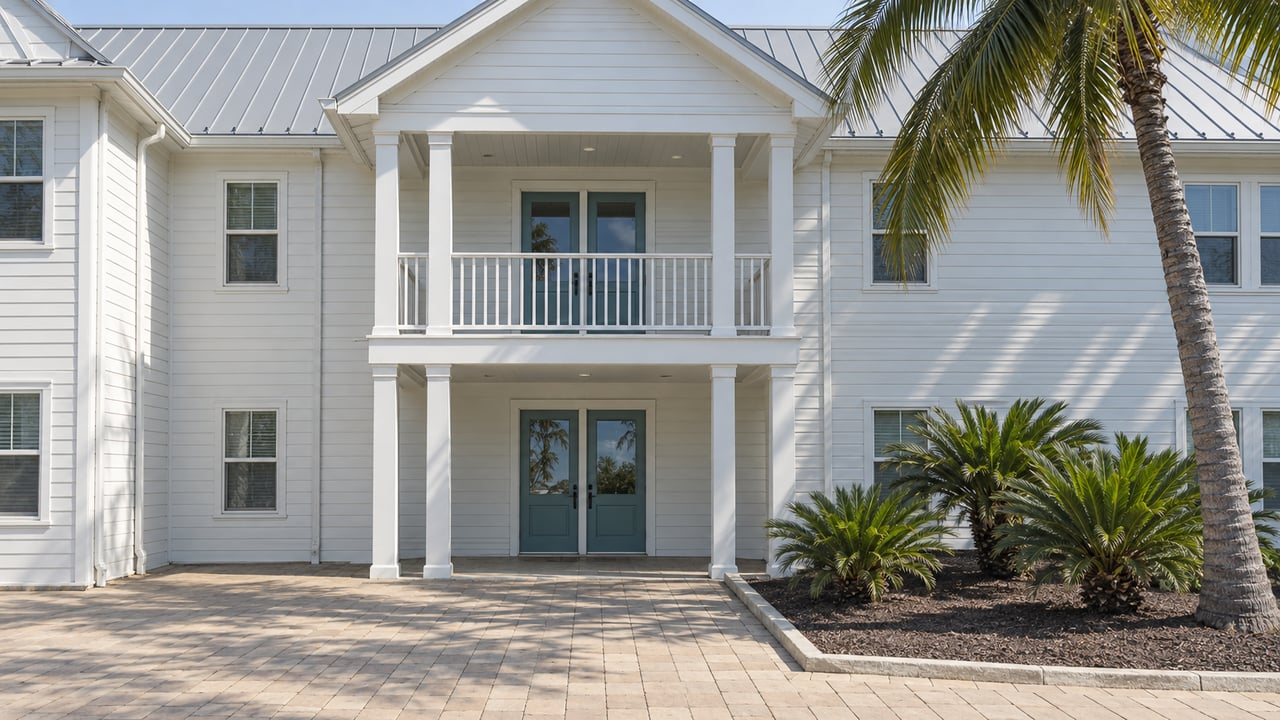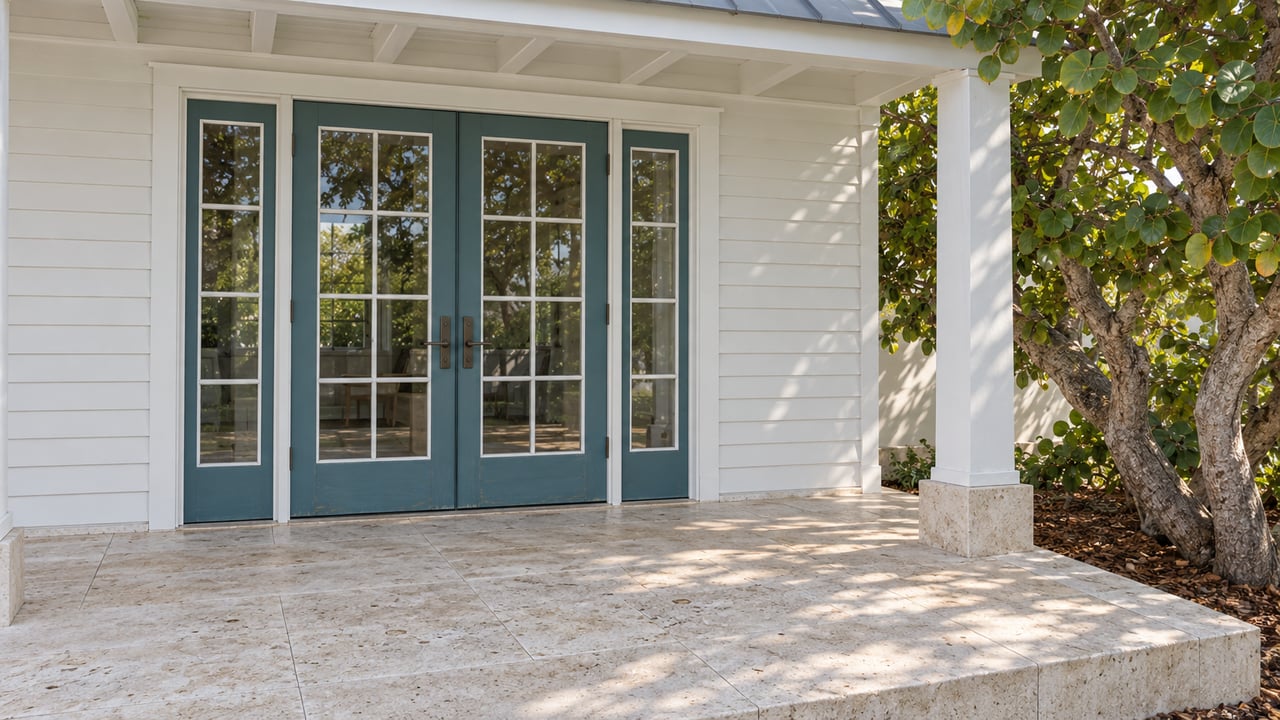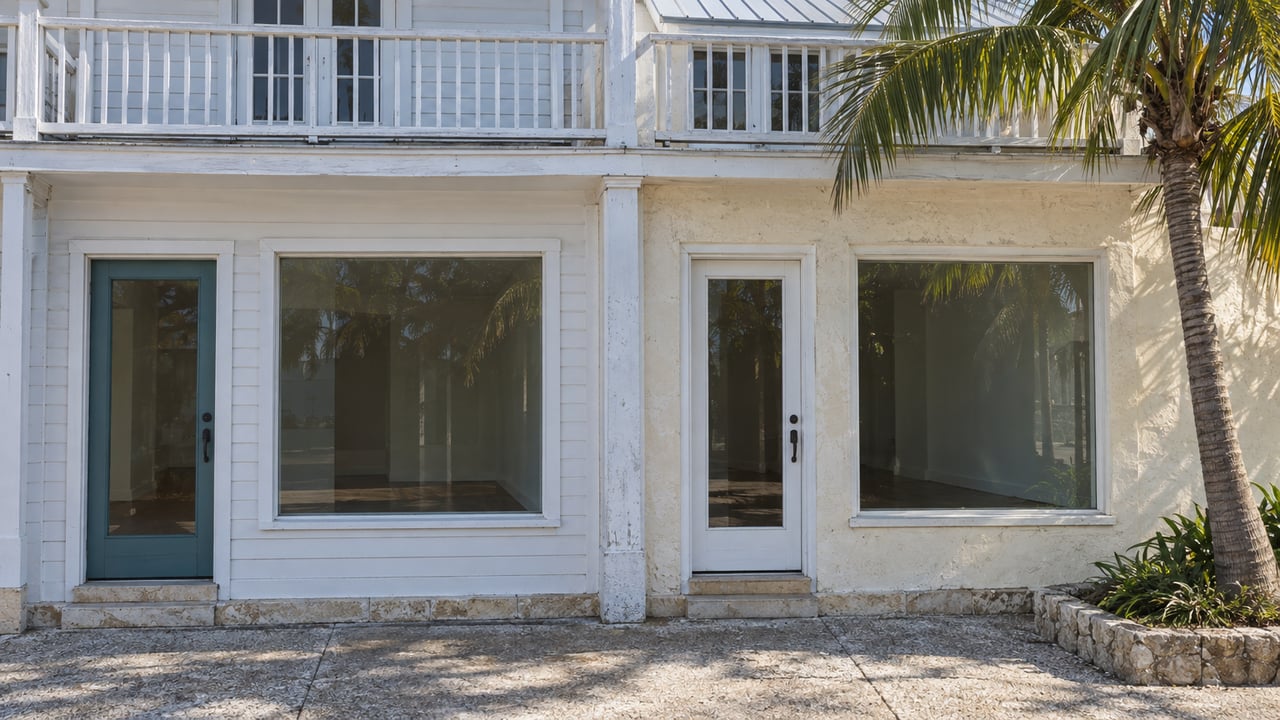
The corner of Railroad Avenue and Fourth Street still holds the same tin-roofed depot it held when trains stopped there. The awnings look the way they've looked for years. What has moved, mostly out of view, is who owns the buildings behind those awnings, and in recent years several of those deeds have passed to the same family.
If you've walked the village lately and noticed that a familiar spot has a new name on the sign but the same bones underneath, you're seeing one half of what's actually going on. The other half doesn't show up on a sign at all. It shows up in a deed.
Two kinds of turnover
Downtown Boca Grande has two separate mechanisms working at once, and they get confused with each other because they produce the same visible result: a storefront that looks different than it did last season.
The first is operator turnover. A restaurant group takes over a lease, rebrands the space, and runs it under a new name while the underlying building stays with whoever already owned it. The second is ownership turnover. The building itself changes hands, sometimes with the same tenant staying put, sometimes not. From the sidewalk, both look identical: paint, signage, a different name on the awning. Underneath, one is a business decision and the other is a real estate transaction, and the two have been happening in parallel across the village core.
The clearest example of the first is what happened to the old Loose Caboose.
What changed behind the ice cream counter
For years, the Loose Caboose occupied the historic train depot building at 433 Fourth Street West, serving the kind of ice cream and comfort food that becomes a fixture rather than just a stop. According to the Boca Grande Historical Society's own timeline of island history, the restaurant was sold and renamed Key Lime Bistro. The new operator is Stilwell Management, a hospitality company that already ran the original Key Lime Bistro on Captiva Island. When Hurricane Ian damaged that Captiva location badly enough to force a rebuild, the company shifted staff to its newer Boca Grande outpost, according to reporting in Gulf Shore Business at the time.
That's operator turnover in a clean form. The depot building didn't change hands. A hospitality group that already had a foothold on the Gulf Coast expanded its footprint by taking over an existing lease and putting its own name on it. If you've eaten there and thought the menu felt different from what you remembered, that's not nostalgia. Reviewers on Tripadvisor have made the same observation, noting the ice cream service split off from the restaurant and the portion sizes on some dishes shifted.
The second mechanism, the one involving actual deeds, has been quieter and more concentrated.
The deeds moving toward one name
According to the Historical Society's timeline, several of the buildings anchoring the commercial core have been sold to Will and Sarah Farish in recent years:
- Railroad Plaza, the retail building that has housed shops like Harbor Wear
- The Fugates building at Fourth and Park
Neither transaction changed what the buildings look like from the street. What changed is who holds the leases inside them, which is a different kind of change than a rebrand.
The most recent addition to that pattern involves the address at 310 East Railroad Avenue, a restaurant building that has been operating as Mimi's 3rd Street Grille while South Beach Bar & Grille rebuilds its original beachfront location, which was destroyed after Hurricane Ian. According to a Lee County clerk filing reported by the Boca Beacon, ownership of that restaurant property moved from a company called 310 E. Railroad LLC to Gasparilla Inn Inc. The Inn is itself owned by the Farish family, per its own history page. That's the same family, and largely the same last name, showing up again.
The Sharp and Farish families' history with the Inn
The Farish name traces back one generation to a different one. Sarah Sharp Farish was the daughter of Bayard Sharp, who owned the Gasparilla Inn before her. According to her obituary in the Boca Beacon, she spent the past 22 years of her life dedicated to preserving and enhancing the Inn and the surrounding island community, work that continued alongside her husband, Will Farish, a former U.S. Ambassador and longtime Kentucky horse breeder.
Her obituary also notes her support for the Boca Grande Health Clinic, the Island School and the Boca Grande Preschool, along with many island businesses. Her family's ties to the Inn and the village run through several generations, and that history is the backdrop for the recent property transfers.
For a resident, the practical version is simple. The family that owns the Gasparilla Inn also holds 310 East Railroad Avenue, Railroad Plaza and the Fugates building, so the Inn and several of the village's commercial addresses now share the same owners.
Why the buildings themselves can't follow the money
There's a limit to how far ownership consolidation can actually change what downtown looks like, and it has nothing to do with the Farish family specifically. Lee County created the Boca Grande Historic District in 1990, and the Downtown Boca Grande Historic District was entered into the National Register of Historic Places in 2009, a designation covering 44 buildings, 33 of which are classified as contributing structures under federal preservation standards, according to the Library of Congress's Historic American Landscapes Survey documentation. Any exterior work on those buildings, regardless of who holds the deed, goes through Lee County's historic preservation review.
That review process has real teeth. The Boca Grande Historic Preservation Board unanimously voted down a proposal from the Diocese of Venice to demolish the old Boca Grande Preschool building and construct a new chapel and office building in its place, according to Boca Beacon reporting. A religious institution with a specific building plan and presumably the resources to execute it still couldn't get past the board.
That review is what keeps the village looking the way it looks while ownership and tenants change. Tenants and restaurant names can change, shifting the commercial mix of downtown. Changing the depot's roofline or tearing down a contributing structure to build something else would go through the same review as anyone else's project. The frozen-in-amber look of the village isn't really about who owns the buildings. It's about what Lee County will let anyone do to them once they're bought.
If you've been watching new names appear on old buildings and wondering whether the village is changing or just rearranging, the answer is both, and they are two different stories. The rebrands are business decisions that play out season to season. The deed transfers move more slowly, and the historic district's preservation review keeps the buildings themselves looking familiar throughout.
You can read more about the neighborhood's character and current listings on the Historic District page, and if you're curious about how ownership continuity has played out at another island institution, the recent piece on Whidden's Marina's centennial covers similar ground from a different corner of the island.
If you've got questions about how any of this touches a property you own or are watching in the village, Maryjo Pigott at LiveBocaGrande knows this stretch of Railroad Avenue as well as anyone. Schedule a free consultation whenever it's useful.
This article is general information, not legal, tax or financial advice. Consult a qualified professional about your situation.