By Maryjo Pigott
Choosing a mortgage is a major part of buying a home, and the options can feel overwhelming. The right loan depends on your down payment, credit, income, and plans for the property. I wrote this guide to the types of mortgages to help Florida buyers know what to expect.
Key Takeaways
- Conventional, FHA, VA, and USDA loans each have different requirements.
- Fixed-rate loans stay steady, while adjustable-rate loans can change.
- Loans above the conforming limit are jumbo loans.
- Florida adds insurance and closing costs worth planning for.
Compare Conventional and Government-Backed Loans
Most mortgages fall into a few main categories, and each one comes with its own eligibility rules and costs. Conventional loans are not backed by a government agency, while FHA, VA, and USDA loans carry federal backing and program-specific requirements. Knowing how they differ helps you see which options may fit your finances, your credit, and your timeline, and it makes your first conversation with a lender far more productive.
Common Loan Types
- Start with conventional loans, which suit many buyers who have solid credit and a steady down payment.
- Consider an FHA loan if you have a smaller down payment or lower credit score, and ask about mortgage insurance.
- Ask about a VA loan if you are a veteran, servicemember, or surviving spouse, since many require no down payment.
- Request a VA certificate of eligibility early, and ask about the funding fee.
- Explore a USDA loan if you are buying in an eligible rural area, and confirm the property qualifies.
- Review state and local housing agency loans, which may target specific buyers or communities.
Choose Between Fixed-Rate and Adjustable-Rate Loans
The interest rate type affects both your monthly payment and how much risk you take on over the life of the loan. A fixed rate stays the same, while an adjustable rate can change after an introductory period ends. The length of the loan, such as 15 or 30 years, also shapes your monthly payment and the total interest you pay over time, so it helps to weigh both together.
Rate and Term Options
- Choose a fixed rate if you want predictable principal and interest payments.
- Consider an adjustable-rate mortgage (ARM) if you expect to move or refinance soon.
- Learn how an ARM's introductory period, adjustment schedule, and rate caps work before committing.
- Compare a 30-year loan's lower payment against a 15-year loan's lower total interest.
- Ask your lender for payment scenarios, including what happens if rates rise.
- Match the loan structure to how long you plan to keep the home, since that timeline matters.
Understand Jumbo Loans and Loan Limits
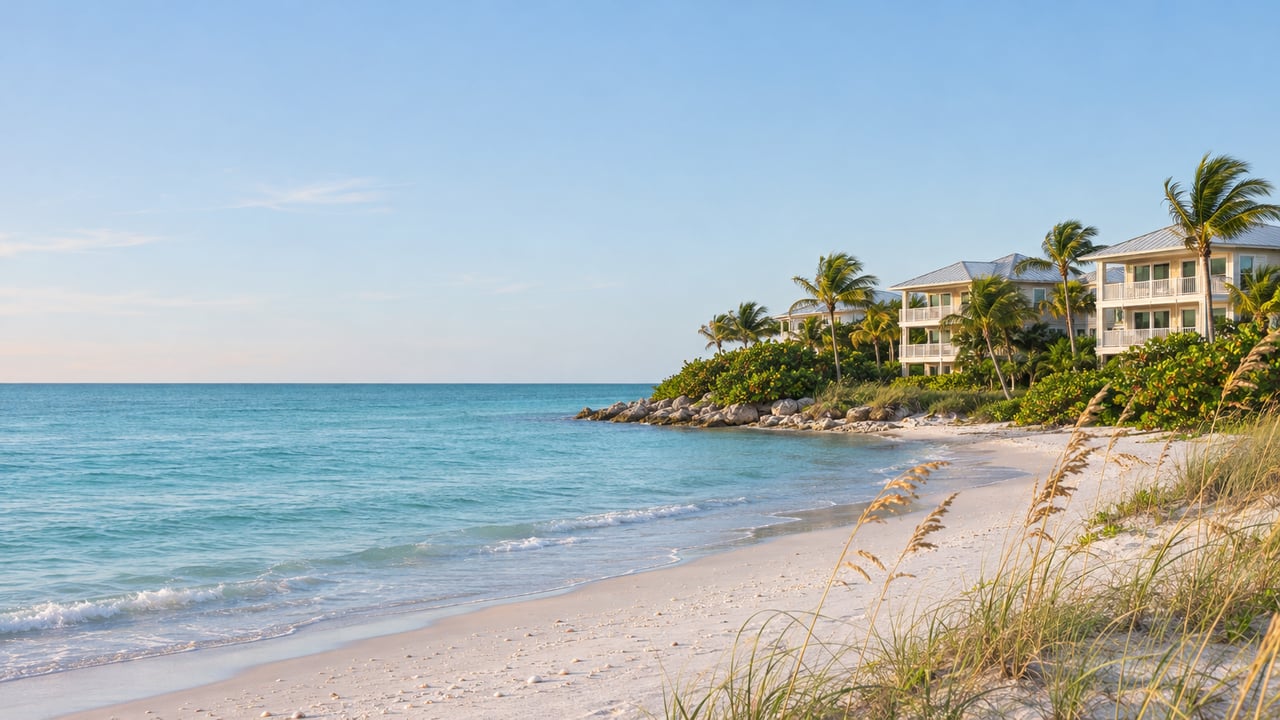
Conforming loans stay within limits that the Federal Housing Finance Agency sets each year, and those limits determine which category your loan falls into. For 2026, the baseline limit for a one-unit home is $832,750, and in Florida only Monroe County has a higher limit. Loans above that limit are jumbo loans, which buyers in higher-priced waterfront and island markets such as Boca Grande may encounter, and they often follow different underwriting rules.
Jumbo Loan Considerations
- Check the current conforming limit for your county, since it updates every year.
- Ask lenders about jumbo requirements, such as credit, down payment, and cash reserves.
- Compare jumbo rates, terms, and fees from multiple lenders, and ask for each offer in writing.
- Prepare income and asset documentation early, since jumbo underwriting can involve a more detailed review.
- Ask about portfolio or specialty loans for unique or high-value properties.
- Discuss with your agent how financing may affect the homes you can pursue.
Look at Florida Programs and Costs
Florida buyers should plan for state and local factors that shape the total cost of buying a home, beyond the loan itself. Assistance programs may help with down payments, while taxes, insurance, and escrow requirements affect both your cash at closing and your monthly payment. Reviewing these items early, before you start touring homes, gives you a more complete picture of what you can comfortably afford.
Florida-Specific Items to Review
- Ask about down payment assistance through Florida Housing Finance Corporation, and confirm funding is current.
- Expect Florida's documentary stamp tax on the mortgage note and an intangible tax on the mortgage.
- Get homeowners insurance quotes early, including wind and flood coverage for coastal homes.
- Check the flood zone, since lenders may require flood insurance in high-risk areas.
- Ask whether the home is a condo, since lenders review association finances and building condition.
- Review your Loan Estimate for cash to close and the estimated monthly cost.
Get Pre-Approved and Compare Lenders
Pre-approval gives you a clearer budget and shows sellers that you are prepared to move forward. Comparing offers from more than one lender can reveal differences in rates, fees, and customer service. Take your time with the paperwork, and ask questions whenever a term or a number is unclear, since the details you catch early can save you stress later.
Steps Before You Apply
- Gather pay stubs, tax returns, bank statements, and identification so a lender can review your finances.
- Check your credit reports and correct any errors before you apply, since small mistakes can affect your rate.
- Request Loan Estimates from several lenders and compare rates, fees, and cash to close.
- Ask each lender how long a rate lock lasts and what happens if closing moves.
- Avoid opening new credit or making large purchases while your loan is in process.
- Talk with a licensed mortgage professional about which loan fits your goals.
FAQs
What are the main types of mortgages?
The main types are conventional, FHA, VA, and USDA loans. Loans can also be fixed-rate, adjustable-rate, or jumbo.
What is a jumbo loan in Florida?
A jumbo loan is a mortgage above the conforming limit. For 2026, the baseline limit is $832,750, and only Monroe County has a higher limit in Florida.
Should I choose a fixed-rate or adjustable-rate mortgage?
A fixed rate offers steady payments, while an adjustable rate can start lower and change later. A lender can help you weigh both against your plans.
Contact Me Today About Types of Mortgages and Buying in Florida
If you are weighing the types of mortgages and getting ready to buy, reach out to me, Maryjo Pigott, and I'll help you understand your options and connect you with the right resources.
Whether you are buying your first home or your next one, I'll give you clear, practical guidance at every step. Reach out today and let's talk about your goals.